
Scottish Wildlife Calendar
Updated for 2027
Scotland is home to a wide variety of wildlife, from red deer and red squirrels to otters, seals, dolphins and some much more elusive species.
We’ve created this Scottish Wildlife Calendar to give visitors an idea of what wildlife they might encounter while travelling around Scotland throughout the year.
What you see will depend on where you go, the habitat, weather, time of day and sometimes simply being in the right place at the right time. You might see an animal itself, or you might spot evidence that it has been nearby.
Keep your eyes peeled for tracks, trails, feeding marks, burrows, droppings, fur and other signs as you explore.
While we list these animals as wildlife you may see and enjoy viewing, please remember that they are wild animals. Please do not use this guide to track, harm, feed or otherwise disturb Scotland’s amazing wildlife.
When you’re out exploring Scotland, remember the simple rule: leave no trace.
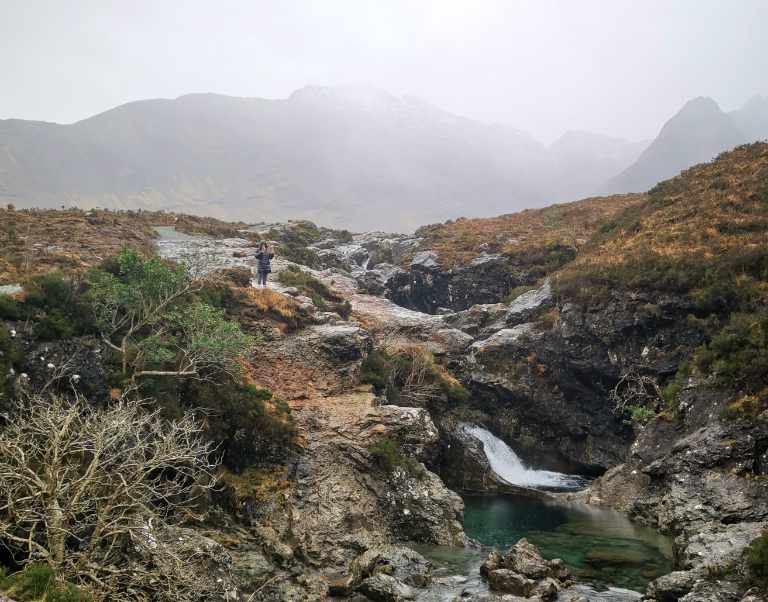
Full Year 2027 Calendar, Scottish Wildlife
JANUARY
Keep Your Eyes Peeled For
Red deer
Roe deer
Mountain hares
Rabbits
Red squirrels
Foxes
Badgers
Otters
Pine martens
Seals
Porpoises
January may be cold and the days are short, but plenty of Scotland’s wildlife remains active through the winter.
Look Out For Deer
Red deer and roe deer remain active throughout winter.
In the Highlands and other suitable areas, you may spot deer moving through woodland, open hills and glens. Mountain hares can also be found in suitable upland habitats.
Look For Foxes
Foxes are adaptable animals and can be found in many parts of Scotland, including countryside, woodland edges and around settlements.
Winter can be a good time to look for signs of foxes, particularly tracks and trails in mud, frost or snow.
What About Hibernation?
Not everything disappears for winter.
Bats and hedgehogs spend the colder months in hibernation, while Scotland’s amphibians and reptiles also become largely inactive.
Deer, foxes, badgers, otters, squirrels, rabbits and hares remain active, although their behaviour can change with the weather and availability of food.
Look For The Signs
Winter conditions can make wildlife signs easier to spot.
Look for deer tracks, animal trails, rabbit burrows, feeding marks and tracks along muddy paths and riverbanks.
FEBRUARY
Keep Your Eyes Peeled For
Red deer
Roe deer
Mountain hares
Rabbits
Red squirrels
Foxes
Badgers
Otters
Pine martens
Seals
Porpoises
February is still winter, but the days are slowly getting longer and wildlife activity will gradually begin to increase.
Look Out For Red Squirrels
Red squirrels remain active during winter.
Woodland with mature trees and a good supply of food can provide opportunities to spot them moving between trees or feeding on the woodland floor.
They can be surprisingly quick, so look carefully rather than expecting them to sit still.
Look Out For Otters
Otters are active throughout the year and can be found around Scotland’s rivers, lochs and coast.
They can be difficult to spot, but quiet stretches of riverbank can reveal tracks, trails, droppings and other signs of their presence.
Look For The Signs
Mud and soft ground can reveal footprints and trails from deer, foxes and smaller mammals.
Rabbit burrows and feeding marks are another clue that animals are nearby.
MARCH
Keep Your Eyes Peeled For
Red deer
Roe deer
Mountain hares
Rabbits
Red squirrels
Foxes
Badgers
Otters
Pine martens
Beavers
Bats
Seals
Porpoises
Spring begins to arrive and wildlife activity starts to pick up.
Look Out For Beavers
Beavers are an interesting species to look for around suitable waterways.
You may not see the animal itself, but look for signs of activity around riverbanks and lochs, including gnawed branches, tracks and other changes around the water’s edge.
Look Out For Bats
As temperatures rise and insects become more plentiful, bats begin to become active again after their winter hibernation.
They are most likely to be noticed around dusk, particularly near woodland, water and areas where insects are plentiful.
Look For The Signs
Spring is a good time to start looking more closely at ponds, lochs, rivers and woodland.
Tracks, feeding marks, burrows and other signs can reveal animals that you never actually see.
APRIL
Keep Your Eyes Peeled For
Red deer
Roe deer
Rabbits
Mountain hares
Red squirrels
Foxes
Badgers
Otters
Pine martens
Beavers
Bats
Seals
Dolphins
Porpoises
April brings longer days and increasing activity across Scotland.
Look Out For Bats
Bats are becoming increasingly active as spring progresses.
Keep an eye out around woodland edges, lochs, rivers and other areas where insects are likely to gather, particularly around dusk.
You may only see a small shape moving quickly through the evening sky, but once you know what to look for, bats can be surprisingly noticeable.
Look Out For Pine Martens
Pine martens are present in suitable woodland habitats but are much harder to spot than squirrels or deer.
They are particularly associated with woodland and can be active at night, so seeing one is more likely to be a matter of luck than simply walking through a forest.
Look For The Signs
Look for tracks, feeding marks, fur caught on vegetation and other evidence of animals moving through woodland.
MAY
Keep Your Eyes Peeled For
Red deer
Roe deer
Rabbits
Mountain hares
Red squirrels
Foxes
Badgers
Otters
Pine martens
Beavers
Bats
Seals
Dolphins
Porpoises
Minke whales
May is a good month to spend time outdoors as Scotland’s wildlife becomes increasingly active.
Look Out For Bats
Bats are now active through the warmer evenings.
Watch around woodland edges, water and open areas around dusk. They can often be seen flying quickly as they feed on insects.
Look Out To Sea
May is also a good time to start paying more attention to Scotland’s coastal waters.
Bottlenose dolphins, common dolphins, harbour porpoises and seals may be encountered around suitable parts of the coast.
Minke whales can also be present in Scottish waters during the warmer months.
Look For The Signs
Don’t concentrate entirely on what is moving.
Look for rabbit burrows, deer trails, feeding marks, tracks around muddy ground and signs of otters along riverbanks.
JUNE
Keep Your Eyes Peeled For
Red deer
Roe deer
Rabbits
Mountain hares
Red squirrels
Foxes
Badgers
Otters
Pine martens
Beavers
Bats
Seals
Dolphins
Porpoises
Minke whales
Basking sharks
Long days and warmer weather make June a great month to spend time outside looking for wildlife.
Look Out For Bats
Bats are particularly active during the warmer months.
Dusk can be a good time to watch around woodland, water and sheltered areas where insects are plentiful.
Look Out To Sea
June can bring plenty of activity to Scotland’s coastal waters.
Keep watching for dolphins, porpoises, seals and minke whales. In suitable areas and conditions, basking sharks can also appear during the summer months.
Of course, marine wildlife sightings are never guaranteed, so keep watching the water rather than expecting a particular species to appear.
Look For The Signs
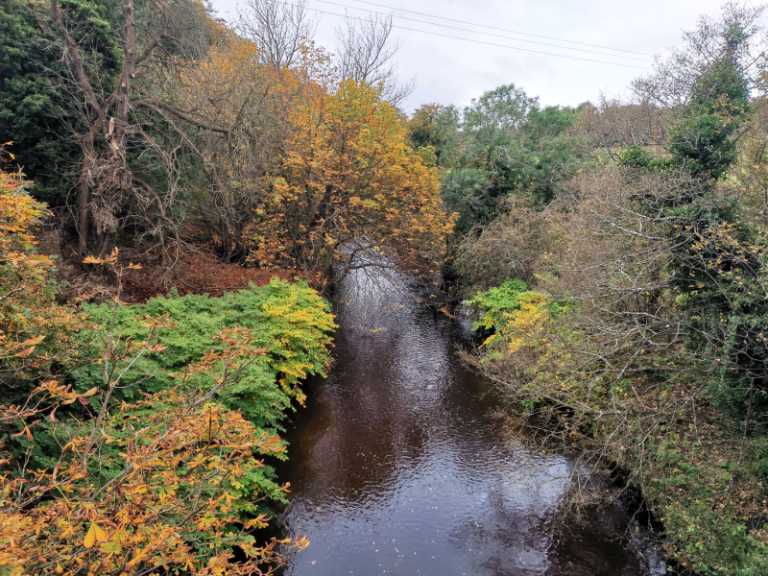
On land, look for deer trails, rabbit burrows, feeding marks and signs of otters and beavers around waterways.
JULY
Keep Your Eyes Peeled For
Red deer
Roe deer
Rabbits
Mountain hares
Red squirrels
Foxes
Badgers
Otters
Pine martens
Beavers
Bats
Seals
Dolphins
Porpoises
Minke whales
Basking sharks
July brings long daylight hours and plenty of opportunities to explore Scotland’s countryside and coast.
Look Out For Bats
Warm summer evenings can be particularly good for spotting bats.
Watch around dusk near woodland, rivers, lochs and other areas where insects are active.
Look Out To Sea
Summer is an interesting time for Scotland’s marine wildlife.
Keep an eye out for seals, dolphins, porpoises and minke whales, while basking sharks may also be encountered in suitable coastal waters.
Look For The Signs
Deer trails, feeding areas, tracks and droppings can all reveal that animals are nearby.
Look around riverbanks for signs of otters and beavers, and around woodland edges for squirrels, rabbits and other smaller mammals.
AUGUST
Keep Your Eyes Peeled For
Red deer
Roe deer
Rabbits
Mountain hares
Red squirrels
Foxes
Badgers
Otters
Pine martens
Beavers
Bats
Seals
Dolphins
Porpoises
Minke whales
Basking sharks
August is a great month to keep your eyes open while travelling through Scotland.
Look Out For Red Deer
Red deer stags are particularly interesting at this time of year.
Their new antlers have been growing through the summer and are developing towards the impressive antlers they will carry during the autumn rut.
You may see stags in Highland glens, forests and open upland areas, although sightings depend very much on location and conditions.
Look For The Signs
Deer trails, feeding areas, tracks and droppings can all tell you that deer are nearby.
You may also spot rabbit burrows, feeding marks and other signs of smaller mammals.
SEPTEMBER
Keep Your Eyes Peeled For
Red deer
Roe deer
Rabbits
Mountain hares
Red squirrels
Foxes
Badgers
Otters
Pine martens
Seals
Dolphins
Porpoises
Minke whales
Bats
September is when one of Scotland’s most impressive wildlife spectacles begins.
Look Out For The Red Deer Rut
The red deer rut begins as autumn approaches.
Stags begin competing for access to females, and in the right places you may hear their distinctive roaring across the landscape.
You may also see stags displaying, moving through the landscape or gathering with hinds.
Do not approach deer or attempt to get close for photographs. Give them plenty of space and observe from a safe distance.
Look Out For Bats
Bats are still active while conditions remain suitable, although their activity will gradually reduce as temperatures fall and winter approaches.
Look For The Signs
Deer trails, tracks, feeding areas and droppings can all provide clues that deer are nearby.
OCTOBER
Keep Your Eyes Peeled For
Red deer
Roe deer
Rabbits
Mountain hares
Red squirrels
Foxes
Badgers
Otters
Pine martens
Seals
Porpoises
Bats
October is one of the most interesting months of the year for red deer.
Look Out For The Red Deer Rut
The red deer rut is in full swing in many areas.
Stags can be heard roaring, displaying and competing with one another. Hearing a stag before you see it is often part of the experience.
Look and listen from a safe distance, particularly in areas of Highland and upland deer habitat.
Look Out For Foxes
As autumn progresses, foxes remain active and adaptable.
They can be found in countryside, woodland edges and around settlements, often moving around during the quieter hours of the day.
Look For The Signs
Autumn leaves can make some tracks harder to spot, but muddy ground can reveal footprints.
Look for deer trails, feeding areas, tracks, droppings and signs of smaller mammals.
NOVEMBER
Keep Your Eyes Peeled For
Red deer
Roe deer
Rabbits
Mountain hares
Red squirrels
Foxes
Badgers
Otters
Pine martens
Seals
Porpoises
The days are getting shorter, but plenty of Scotland’s wildlife remains active.
Look Out For Red Squirrels
Autumn and winter woodland can be a good time to look for red squirrels.
Watch for movement through the branches and listen for activity as you walk through suitable woodland.
Look Out For Otters
Otters remain active throughout the year.
Quiet rivers, lochs and coastal areas can offer opportunities to spot them, although they are elusive and often easier to detect through their tracks and other signs.
Look For The Signs
Wet ground can reveal tracks from deer, foxes and smaller mammals.
Look for animal trails, feeding marks, rabbit burrows and signs around riverbanks.
DECEMBER
Keep Your Eyes Peeled For
Red deer
Roe deer
Rabbits
Mountain hares
Red squirrels
Foxes
Badgers
Otters
Pine martens
Seals
Porpoises
Winter has arrived, but Scotland’s wildlife is still out there.
Look Out For Deer
Red deer and roe deer remain active through winter.
In suitable areas, you may spot deer moving through woodland, glens and open countryside.
Look Out For Foxes
Foxes remain active through the winter and can be found in a wide range of habitats.
Their tracks can be particularly noticeable in mud, frost or snow, making winter a useful time to look for evidence of their movements.
Look For The Signs
Winter can be one of the best times to look for wildlife tracks.
Keep an eye out for footprints, trails, feeding marks, burrows and other evidence left behind by animals moving through the countryside.
Some Of Scotland’s More Elusive Wildlife
Not every Scottish animal is something you’re likely to see while travelling around the country.
The Scottish wildcat is one of Scotland’s most elusive mammals. It is extremely difficult to spot in the wild, so it belongs firmly in the “keep your eyes peeled” category rather than on a list of animals you’re likely to encounter.
Pine martens are also elusive woodland animals and can be difficult to see despite being present in suitable areas.
There are also free-ranging feral pigs and wild boar-type animals in parts of Scotland. These are unusual wildlife sightings for visitors and shouldn’t be considered a normal part of a Scottish wildlife trip.
Seeing one of these animals would be much more a matter of luck than planning.
You Don’t Always Have To See The Animal
Wildlife watching isn’t always about actually seeing an animal.
Sometimes the signs they leave behind can tell you just as much.
Keep your eyes peeled for:
Footprints and tracks
Animal trails
Droppings and scat
Feeding marks
Gnawed branches and vegetation
Rabbit burrows
Fur caught on vegetation
Deer trails and feeding areas
Signs along riverbanks and loch shores
Once you start looking for these clues, you may realise there is considerably more wildlife around you than you first thought.
A Note About Hibernation
Some Scottish wildlife spends the colder months in a much quieter state.
Bats and hedgehogs hibernate, while Scotland’s amphibians and reptiles also spend the winter in periods of dormancy.
This doesn’t mean Scottish wildlife disappears during winter.
Deer, foxes, badgers, otters, squirrels, rabbits and hares remain active, although their behaviour can change with weather and food availability.
Winter wildlife watching is therefore still worthwhile — you simply need to know where to look.
A Note About Wildlife Sightings
The animals listed in this calendar are examples of wildlife you may encounter at the right time of year and in suitable habitats.
Seeing wildlife is never guaranteed. Location, weather, time of day, food availability, disturbance and simple luck can all make a difference.
Some animals are relatively common and can be seen with patience. Others are nocturnal, secretive, rare or extremely elusive.
Give wildlife plenty of space, avoid disturbing animals or their young and follow local access guidance when exploring the countryside.
And above all, keep your eyes peeled. You never quite know what you might spot around the next corner.
Planning A Wildlife Trip Around Scotland
Scotland’s wildlife can be found in many different habitats, from woodland and mountains to rivers, lochs, farmland, beaches and the coast.
You don’t necessarily need to visit a dedicated wildlife reserve. Simply travelling through Scotland and spending time outdoors can provide plenty of opportunities to look for animals and the signs they leave behind.
A wildlife-focused trip can also be a good excuse to explore several different parts of the country. You might combine Highland scenery with woodland walks, spend time around lochs and rivers, then head towards the coast.
Different habitats give you the opportunity to look for different animals.
How Can Scotlander Help?
Scotlander offers campervan and outdoor equipment hire near Edinburgh, giving visitors a practical starting point for exploring Scotland.
Our outdoor equipment hire can include tents, sleeping bags, camping mats, hiking equipment, cooking equipment and other outdoor essentials, depending on what you need for your trip.
This can be particularly useful for visitors travelling to Scotland by plane or public transport who don’t want to bring bulky camping equipment with them.
Collect your campervan and equipment near Edinburgh, then head out and explore Scotland at your own pace.
Whether you’re hoping to see red deer in the Highlands, red squirrels in woodland, otters around a loch or simply discover what you find along the way, Scotland is full of opportunities to get outdoors and keep your eyes peeled.